What Features Should You Look for in Oil & Gas Safety Audit Software?
Key Takeaways
- Digital safety audits reduce paperwork, manual errors, and reporting delays.
- The best oil and gas safety audit software includes offline inspections, mobile access, automated reporting, and real-time dashboards.
- Centralized compliance records help organizations prepare for regulatory audits with greater confidence.
- Workflow automation ensures hazards are identified, assigned, tracked, and resolved faster.
- Selecting software that integrates with existing business systems improves efficiency across HSE, operations, and maintenance teams.
Table of Contents
- Why Safety Audits Matter More Than Ever
- What Is Oil and Gas Safety Audit Software?
- Why Manual Audits No Longer Work
- Essential Features Every Software Should Include
- Mobile & Offline Inspections
- Digital Checklists
- Reporting & Analytics
- Corrective Action Management
- Compliance & Documentation
- Software Selection Checklist
- Frequently Asked Questions
- Conclusion
What Features Should You Look for in Oil & Gas Safety Audit Software?
Safety is one of the most critical priorities in the oil and gas industry. From drilling sites and offshore platforms to refineries and storage terminals, every operation involves equipment, processes, and environments that require strict monitoring. Even a small oversight during an inspection can lead to equipment failure, environmental damage, production downtime, or serious safety incidents.
This is why routine safety audits are more than just a regulatory requirement—they are an essential part of operational risk management. Regular inspections help organizations identify hazards early, verify compliance, and ensure that safety procedures are being followed consistently across every site.
However, the way many companies conduct these audits has not changed significantly. Paper checklists, spreadsheets, email chains, and manual reporting are still common across the industry. While these methods may work for smaller operations, they often become inefficient as businesses expand across multiple projects, facilities, or regions.
Modern oil and gas safety audit software addresses these challenges by digitizing the entire inspection process. Inspectors can complete audits on mobile devices, capture photographic evidence, assign corrective actions instantly, and generate reports automatically—all from a single platform.
Instead of spending valuable time managing paperwork, safety teams can focus on identifying risks, improving compliance, and preventing incidents before they occur.
In this guide, we’ll explore the key features every organization should evaluate before choosing an oil and gas audit software solution. Whether you’re replacing manual inspections or upgrading an existing system, understanding these capabilities will help you make a more informed decision.
Why Safety Audits Matter More Than Ever
The oil and gas industry operates in environments where even minor safety issues can have significant consequences. High-pressure equipment, hazardous materials, confined spaces, and complex operational workflows require continuous monitoring to ensure both worker safety and regulatory compliance.
Safety audits provide organizations with a structured way to identify hazards, evaluate existing controls, and verify that operational procedures are being followed correctly. They also help management measure overall safety performance and identify recurring issues before they develop into larger operational problems.
Beyond preventing incidents, effective audits also support business continuity. A well-documented inspection program reduces unexpected equipment failures, minimizes downtime, and strengthens an organization’s ability to demonstrate compliance during regulatory reviews or client assessments.
As facilities become larger and more geographically distributed, managing these inspections manually becomes increasingly difficult. This is one of the primary reasons organizations are investing in digital oilfield safety audit software that centralizes inspections, documentation, and reporting in a single system.
What Is Oil and Gas Safety Audit Software?
Oil and gas safety audit software is a digital platform designed to manage every stage of the inspection and audit process. Instead of relying on paper forms or disconnected spreadsheets, organizations can conduct inspections electronically, store records securely, and monitor compliance from a centralized dashboard.
The software standardizes inspection workflows across different facilities, making it easier to maintain consistent safety practices regardless of location. Inspectors can complete predefined checklists, record observations, attach photos, assign corrective actions, and submit reports directly from the field.
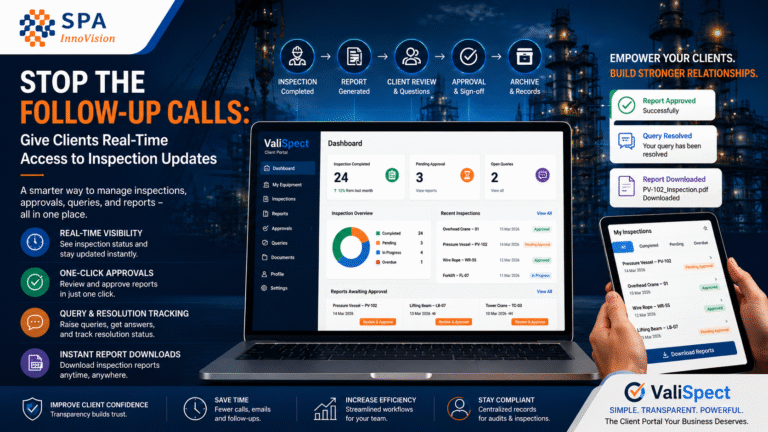
Modern platforms also provide managers with real-time visibility into ongoing inspections, open safety observations, and compliance status. Rather than waiting days for reports to be compiled, decision-makers gain immediate access to critical information that supports faster responses and better operational planning.
Depending on business requirements, an oil and gas safety audit app may also include advanced capabilities such as workflow automation, document management, analytics, notifications, and integration with enterprise systems.
Common Users of Safety Audit Software
| Role | Primary Responsibility |
| HSE Managers | Monitor compliance across multiple facilities |
| Safety Officers | Conduct routine inspections and audits |
| Operations Managers | Track safety performance and operational risks |
| Site Supervisors | Resolve inspection findings and assign corrective actions |
| Maintenance Teams | Verify equipment safety and maintenance compliance |
| Compliance Teams | Prepare documentation for regulatory audits |
Why Traditional Safety Audits Are No Longer Enough
For many years, paper-based inspections were considered the standard approach for managing workplace safety. While these methods may still be familiar to many organizations, they introduce several operational challenges that become more significant as inspection volumes increase.
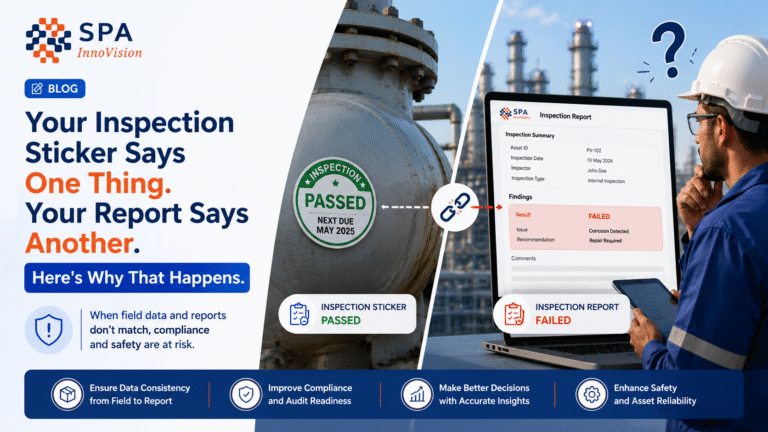
One of the biggest limitations is the amount of manual work involved. Inspectors often complete paper forms in the field, return to the office, and then spend additional hours entering the same information into spreadsheets or reporting systems. This duplicate effort slows reporting and increases the likelihood of human error.
Manual documentation also makes it difficult to maintain consistent inspection standards across multiple locations. Different teams may use outdated checklists, incomplete templates, or inconsistent reporting formats, making it challenging to compare results or identify recurring safety issues.
Another common challenge is the lack of real-time visibility. Managers typically cannot see inspection findings until reports have been submitted and reviewed. As a result, critical hazards may remain unresolved for longer than necessary, increasing operational risk.
Finding historical inspection records can also become time-consuming. During regulatory audits or client assessments, organizations often need quick access to previous inspection reports, corrective actions, maintenance records, and supporting documentation. Paper files and disconnected spreadsheets make this process significantly more difficult.
Digital oil gas safety inspection software eliminates these inefficiencies by centralizing inspection data, automating reporting, and providing immediate visibility into safety performance across every facility.
Key Challenges of Manual Audits
| Manual Process | Business Impact |
| Paper checklists | Lost or damaged records |
| Spreadsheet reporting | Data inconsistencies |
| Manual report preparation | Slow decision-making |
| Email-based follow-ups | Delayed corrective actions |
| Multiple storage locations | Difficult compliance audits |
| Limited visibility | Poor management oversight |
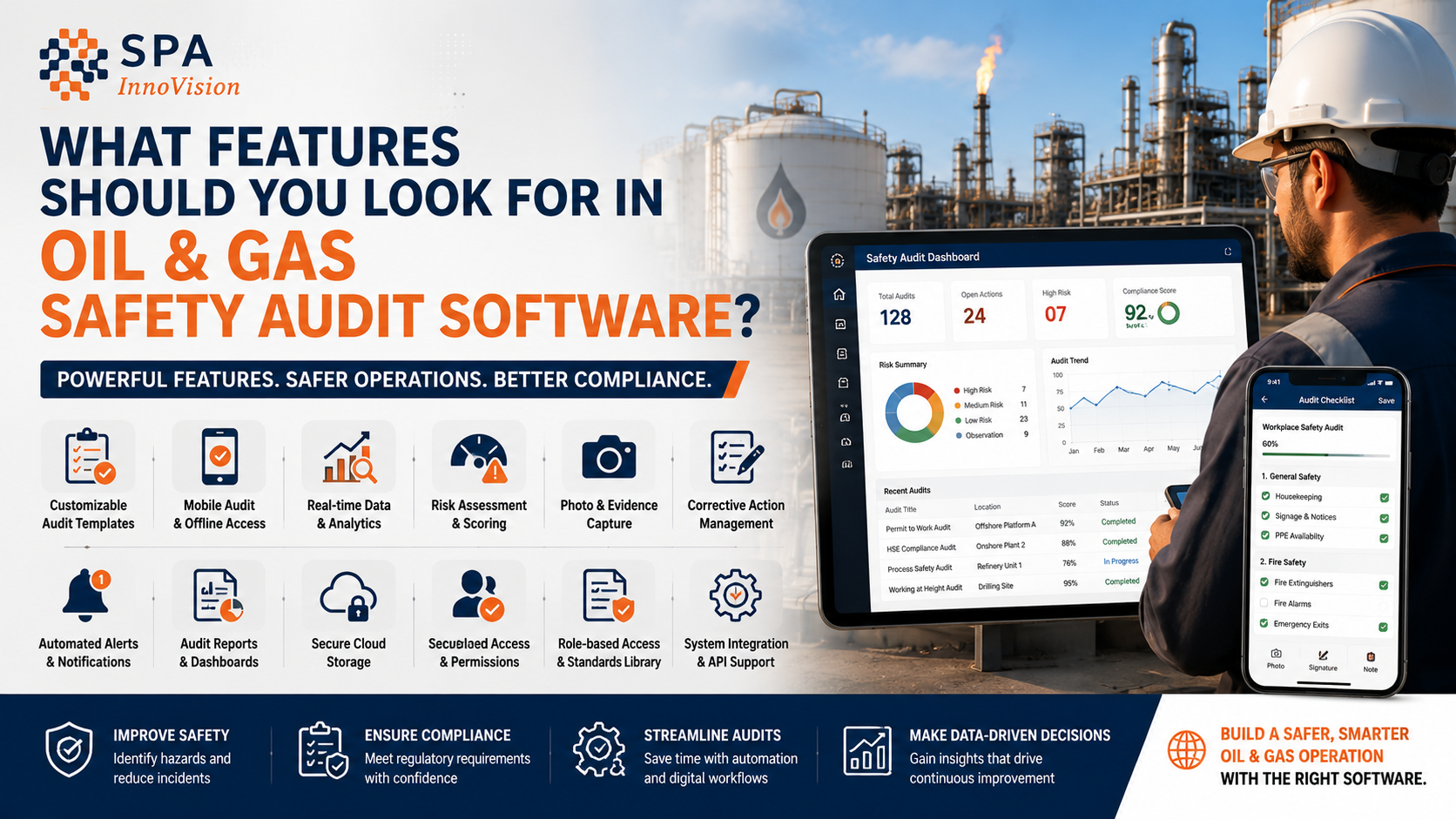
10 Essential Features Every Oil & Gas Safety Audit Software Should Include
Selecting the right oil and gas safety audit software goes beyond comparing pricing or checking a list of features. The software should simplify inspections, improve compliance, and help safety teams respond to risks before they become incidents. A solution that works well in one industry may not be suitable for the unique challenges of oil and gas operations, where inspections often take place in remote locations, hazardous environments, and large industrial facilities.
When evaluating different platforms, focus on capabilities that improve both field productivity and long-term safety performance. The following features should be considered essential for any modern oil and gas audit software.
1. Mobile-First Inspection Experience
Safety inspections rarely happen behind a desk. Inspectors spend most of their time in production plants, drilling sites, pipelines, offshore platforms, and storage terminals. Carrying paper forms or returning to an office to complete reports slows the entire process.
A modern oil and gas safety audit app should allow inspectors to perform complete audits directly from a smartphone or tablet. Every observation, photograph, signature, and checklist response should be captured digitally while the inspection is in progress.
This approach eliminates duplicate data entry, reduces reporting delays, and improves the accuracy of inspection records. More importantly, inspectors can spend more time identifying hazards instead of managing paperwork.
Mobile Inspection Benefits
| Feature | Business Value |
| Digital inspections | Eliminates paper forms |
| Tablet and smartphone support | Faster field operations |
| Digital signatures | Improves accountability |
| Instant report submission | Speeds up decision-making |
| Photo attachments | Better evidence collection |
2. Offline Inspection Capability
Oil and gas operations are often located in areas where internet connectivity is unreliable or unavailable. Offshore platforms, remote exploration sites, desert pipelines, and large processing facilities frequently experience weak network coverage.
Without offline functionality, inspectors may be forced to postpone inspections or rely on paper forms until they regain connectivity.
A reliable gas audit software should allow users to complete inspections even without an internet connection. Once connectivity is restored, all inspection data should automatically synchronize with the central database without requiring additional work from the inspector.
Offline capability ensures inspection schedules continue without interruption while maintaining data integrity across all locations.
Offline Functionality Should Include
- Offline checklists
- Photo capture
- GPS location storage
- Digital signatures
- Automatic synchronization
- Local encrypted storage
3. Customizable Inspection Checklists
Every organization follows different inspection procedures based on operational requirements, asset types, and regulatory obligations. A refinery, pipeline operator, LNG terminal, and offshore platform will all require different audit templates.
Instead of forcing every inspection into a standard format, the software should allow organizations to build customized digital checklists that reflect their internal processes.
Custom templates also help standardize inspections across multiple facilities. Every inspector follows the same sequence, ensuring audits remain consistent regardless of location or personnel.
Examples include:
- PPE inspections
- Fire safety audits
- Environmental inspections
- Permit-to-work verification
- Equipment condition assessments
- Contractor safety audits
- Emergency preparedness reviews
- Confined space inspections
Standardized digital checklists reduce variability, improve audit quality, and simplify compliance reporting.
4. Photo, Video, and Evidence Capture
Inspection findings become much easier to understand when they are supported by visual evidence. Written descriptions alone may not fully explain the severity of a damaged pipeline, an equipment leak, or an unsafe work area.
A modern oilfield safety audit software should allow inspectors to attach photographs, videos, voice notes, and supporting documents directly to each inspection record.
Images captured during inspections provide valuable context for maintenance teams, compliance officers, and management. They also reduce misunderstandings by showing the exact condition observed during the audit.
Additional capabilities such as GPS coordinates, timestamps, and image annotations further strengthen inspection documentation and improve traceability.
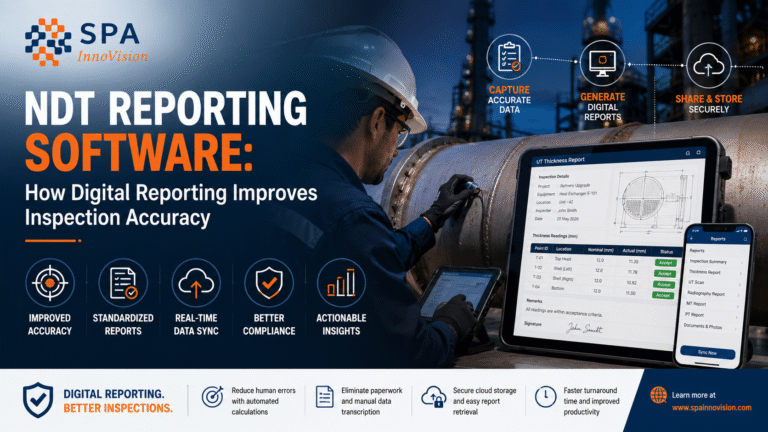
5. Automated Report Generation
Preparing inspection reports manually is one of the most time-consuming parts of the audit process. Inspectors often spend hours formatting documents, copying photographs, and organizing observations after returning from the field.
An effective oil and gas audit software should automatically generate professional reports as soon as an inspection is completed.
Automation not only saves time but also ensures reports follow a consistent format across every facility. Managers receive standardized documentation almost immediately, allowing corrective actions to begin much sooner.
Benefits of Automated Reporting
| Manual Reporting | Automated Reporting |
| Hours of preparation | Reports generated within minutes |
| Formatting inconsistencies | Standardized templates |
| Manual calculations | Automatic summaries |
| Delayed approvals | Faster review process |
| Higher error rates | Improved accuracy |
Organizations conducting hundreds of inspections every month can save significant administrative effort through automated reporting alone.
6. Corrective Action Management
Identifying a safety issue is only the beginning of the audit process. The real value comes from ensuring that every finding is assigned, tracked, and resolved within an appropriate timeframe.
The best oil gas safety inspection software includes built-in corrective action management that transforms inspection findings into actionable tasks.
Each observation should be assigned to the responsible person, accompanied by deadlines, supporting documentation, and priority levels. Managers should also receive automatic notifications whenever corrective actions become overdue.
A centralized corrective action workflow improves accountability and ensures that important safety issues do not remain unresolved for extended periods.
A Complete Corrective Action Workflow Should Include
- Hazard identification
- Risk classification
- Task assignment
- Due date tracking
- Progress monitoring
- Verification of completion
- Final closure documentation
Organizations with structured corrective action processes generally achieve faster hazard resolution and stronger compliance performance.
7. Real-Time Dashboards and Analytics
Managing safety across multiple facilities requires more than individual inspection reports. Leadership teams need an overall view of inspection performance, recurring risks, compliance status, and outstanding corrective actions.
Interactive dashboards provide this visibility through real-time data visualization.
Instead of reviewing hundreds of reports individually, managers can quickly identify trends, compare locations, monitor overdue actions, and prioritize resources where they are needed most.
Useful dashboard metrics include:
- Completed inspections
- Open observations
- High-risk findings
- Compliance percentage
- Inspection completion rate
- Overdue corrective actions
- Site performance comparison
- Monthly safety trends
Real-time analytics help organizations move from reactive safety management to proactive risk prevention.
8. Centralized Document Management
Safety audits generate a large volume of supporting documentation, including permits, inspection certificates, calibration records, training documents, maintenance logs, and compliance reports.
Storing these files across multiple folders or email systems makes retrieval difficult during inspections or regulatory audits.
A centralized document management system keeps every file organized and accessible from one secure location.
Inspectors can quickly reference previous inspection reports, compare historical findings, and verify supporting documentation without searching through disconnected systems.
Centralized records also improve collaboration between safety, operations, maintenance, and compliance teams.
9. Comprehensive Compliance Management
The oil and gas industry operates under strict regulatory requirements, where maintaining accurate inspection records is just as important as conducting the inspections themselves. During internal reviews, client audits, or regulatory assessments, organizations must demonstrate that inspections were completed on time, findings were addressed, and corrective actions were properly documented.
This is where comprehensive compliance management becomes an essential feature of any oil and gas safety audit software. Instead of searching through paper files or multiple spreadsheets, safety teams can access all compliance records from a centralized platform within minutes.
A well-designed system should organize inspection reports, certificates, permits, corrective actions, training records, and supporting documents in a structured manner. This not only reduces administrative effort but also makes compliance verification significantly faster and more reliable.
A Strong Compliance Module Should Support
| Capability | Business Benefit |
| Centralized compliance records | Easy access during audits |
| Automated compliance reports | Saves reporting time |
| Digital document storage | Eliminates paperwork |
| Inspection history | Improves traceability |
| Expiry notifications | Prevents compliance gaps |
| Version control | Ensures teams use current documents |
By maintaining complete digital records, organizations can demonstrate compliance more confidently while reducing the risk of missing critical documentation.
10. Audit Trails and Data Security
Safety inspection data often becomes part of legal investigations, compliance reviews, insurance claims, and operational decision-making. Because of this, organizations need confidence that inspection records remain accurate and cannot be modified without authorization.
A reliable oilfield safety audit software should maintain a complete audit trail for every inspection. Every action—whether it’s creating an inspection, editing a checklist, uploading evidence, or closing a corrective action—should be recorded automatically with the user name, date, and time.
This level of transparency improves accountability across the organization and provides a clear history of every inspection activity.
Security is equally important. Sensitive operational data should be protected through role-based access controls, encrypted storage, secure backups, and user authentication to ensure only authorized personnel can access critical information.
Key Security Features
- Role-based user permissions
- Multi-level approval workflows
- Data encryption
- Secure cloud storage
- Automatic backup
- User activity logs
- Complete audit history
Strong security controls help organizations protect operational data while supporting compliance with internal governance policies.
11. Integration with Existing Business Systems
Safety management does not operate in isolation. Inspection findings often affect maintenance schedules, operational planning, asset management, and compliance reporting. If safety software cannot communicate with existing systems, teams end up duplicating work across multiple platforms.
The best oil and gas audit software integrates seamlessly with other business applications, creating a connected workflow across departments.
For example, if an inspector identifies damaged equipment during an audit, the software should automatically trigger a maintenance request. Similarly, completed inspections can update dashboards used by operations managers and compliance teams without requiring manual data entry.
Integration improves data consistency, reduces administrative work, and helps organizations make faster decisions based on real-time information.
Common integrations include:
- Enterprise Resource Planning (ERP)
- Computerized Maintenance Management Systems (CMMS)
- Asset Management Systems
- Document Management Platforms
- Business Intelligence Tools
- Email and Notification Systems
Organizations that connect safety inspections with other operational processes often experience higher efficiency and better collaboration across departments.
How to Choose the Right Oil & Gas Safety Audit Software
With many software solutions available, selecting the right platform requires more than comparing feature lists. The ideal solution should align with your operational workflows, support future business growth, and simplify compliance across every facility.
Before making a decision, evaluate each platform using the following checklist.
Software Evaluation Checklist
| Evaluation Criteria | Why It Matters |
| Mobile inspections | Enables field data collection |
| Offline functionality | Supports remote locations |
| Custom inspection templates | Standardizes audits |
| Automated reporting | Reduces administrative work |
| Corrective action tracking | Improves accountability |
| Real-time dashboards | Enhances visibility |
| Compliance management | Simplifies regulatory audits |
| Document management | Centralizes records |
| Audit trails | Strengthens transparency |
| Integration capabilities | Connects business systems |
| Scalable architecture | Supports business growth |
| User-friendly interface | Improves user adoption |
Rather than selecting software based solely on price, organizations should evaluate long-term value. A platform that improves inspection efficiency, reduces compliance risks, and strengthens operational visibility often delivers a significantly higher return on investment over time.
Comparison: Manual Audits vs Digital Safety Audit Software
Many organizations hesitate to replace familiar paper-based processes. However, comparing traditional inspections with digital workflows quickly highlights the operational advantages.
| Manual Safety Audits | Digital Oil & Gas Safety Audit Software |
| Paper forms | Mobile inspections |
| Manual data entry | Automatic data capture |
| Delayed reporting | Instant report generation |
| Physical document storage | Centralized cloud records |
| Limited visibility | Real-time dashboards |
| Manual follow-ups | Automated corrective actions |
| Difficult compliance audits | Organized compliance documentation |
| Higher risk of human error | Standardized inspection workflows |
As inspection volumes increase, digital platforms become increasingly valuable by reducing administrative work while improving consistency across all operational sites.
Best Practices for Successful Software Implementation
Choosing the right software is only the first step. Successful implementation depends on how well the platform is introduced across the organization.
Consider these best practices:
- Standardize inspection templates before deployment.
- Train inspectors and supervisors on mobile workflows.
- Digitize existing paper checklists to maintain consistency.
- Define clear responsibilities for corrective action management.
- Review dashboard metrics regularly to identify recurring safety issues.
- Update inspection templates whenever regulations or operational procedures change.
- Monitor user feedback to continuously improve inspection workflows.
Organizations that combine the right technology with standardized processes generally achieve better safety outcomes than those focusing on software alone.
Frequently Asked Questions
What is oil and gas safety audit software?
Oil and gas safety audit software is a digital platform that helps organizations plan, conduct, document, and monitor safety inspections. It replaces paper-based audits with digital workflows, improving efficiency, compliance, and reporting accuracy.
Why is offline capability important?
Many inspections take place in remote oilfields, offshore platforms, and pipeline networks where internet connectivity is limited. Offline functionality allows inspectors to complete audits without interruption and automatically synchronize data once a connection becomes available.
Can safety audit software improve regulatory compliance?
Yes. Digital software maintains centralized inspection records, audit trails, corrective actions, and compliance documents, making it much easier to prepare for internal and external regulatory audits.
Who uses oil and gas safety audit software?
The software is commonly used by HSE managers, safety officers, operations managers, maintenance teams, compliance professionals, contractors, and site supervisors responsible for workplace safety and regulatory compliance.
What should organizations prioritize when selecting software?
Organizations should prioritize ease of use, mobile functionality, offline inspections, customizable checklists, automated reporting, corrective action management, compliance documentation, real-time dashboards, integrations, and scalability.
Final Thoughts
Safety audits are far more than a regulatory requirement—they are a critical part of protecting people, assets, and business continuity. As operations expand across multiple facilities and inspection volumes continue to grow, relying on paper-based processes can create unnecessary delays, inconsistencies, and compliance risks.
Modern oil and gas safety audit software simplifies every stage of the inspection lifecycle. From mobile inspections and offline data capture to automated reporting, corrective action tracking, and real-time analytics, digital platforms help organizations improve efficiency while strengthening overall safety performance.
When evaluating software, focus on solutions that not only address current operational needs but also support long-term growth. A scalable platform with strong compliance management, flexible workflows, and seamless integrations can become a valuable asset for improving both operational efficiency and workplace safety.
Streamline Your Safety Audits with SPA InnoVision
Managing inspections shouldn’t involve stacks of paperwork, disconnected spreadsheets, or delayed reporting. SPA InnoVision’s inspection management solutions help oil and gas organizations digitize safety audits, standardize inspection workflows, automate reporting, and gain real-time visibility into compliance activities.
Whether you’re overseeing upstream exploration, pipeline operations, or downstream facilities, the right digital platform can help your teams conduct inspections more efficiently, resolve findings faster, and maintain complete audit readiness across every site.
Explore how SPA InnoVision can help transform your safety audit process with a smarter, more connected inspection management solution.