When Things Break: The Human Side of Failure Analysis in NDT
Nobody wants to be the engineer on-site when something fails. But the truth is, failures happen — and what separates great NDT professionals from the rest isn’t just their ability to find defects. It’s what they do with that information afterward.
That’s where failure analysis comes in.
It’s More Than Just Finding Cracks
Most people outside the industry think non-destructive testing is simply about running a scan and flagging a problem. But experienced inspectors know the real work starts after the defect is found. Why is that crack there? How long has it been growing? What caused it — and will it happen again?
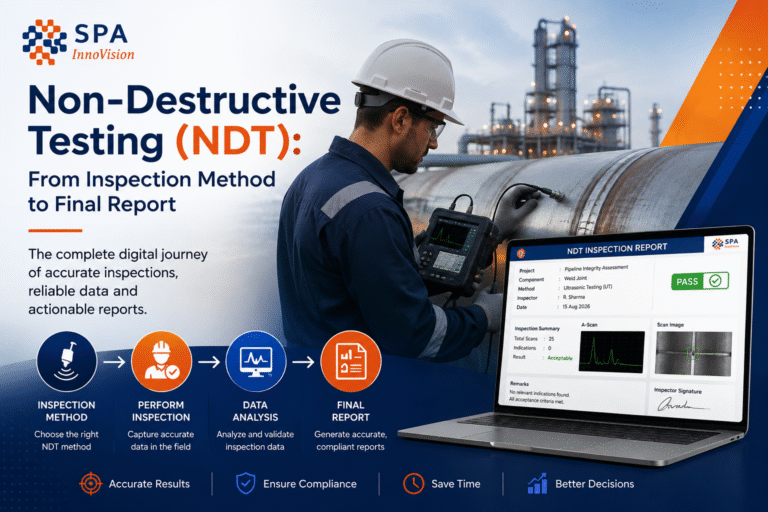
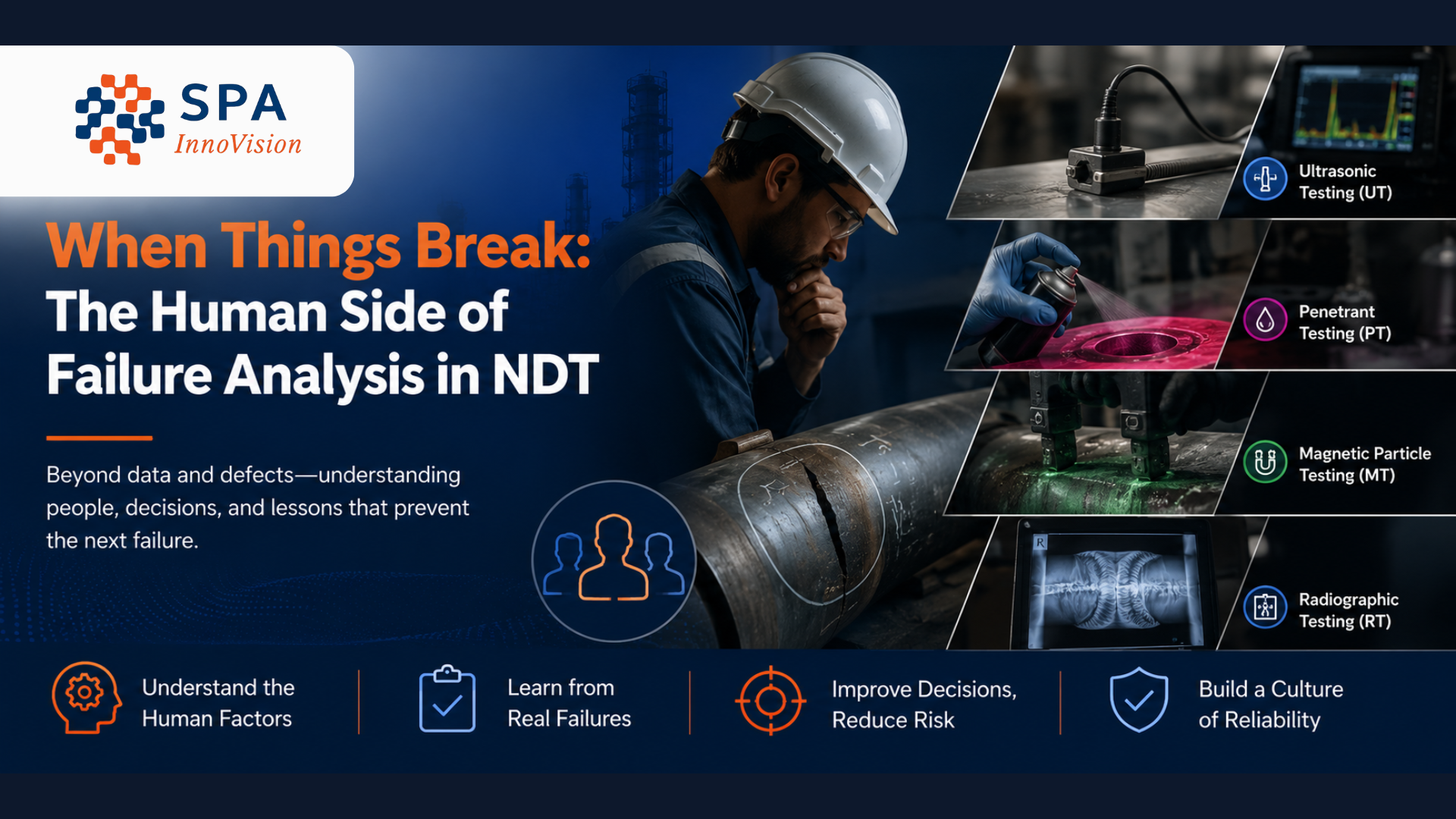
Failure analysis answers those questions. Using methods like ultrasonic testing, radiographic testing, eddy current, magnetic particle, and phased array UT, NDT professionals can examine damage in detail without ever compromising the integrity of the component. The part stays intact. The answers don’t.
The Stakes Are Real
The industries that rely on NDT — oil and gas, aerospace, power generation, construction, transportation — don’t have much margin for error. A missed failure mechanism in a pipeline weld or a pressure vessel isn’t just an operational problem. It can be a safety catastrophe.
That’s the weight NDT professionals carry every day, and it’s why thorough failure analysis matters so much. It moves teams from “we found something” to “here’s what happened and here’s how we stop it from happening again.” That shift — from detection to understanding — is what protects lives, keeps plants running, and saves companies from costly, avoidable breakdowns.
Root Cause: The Question Behind the Question
Finding a stress corrosion crack is one thing. Understanding why that crack formed — was it the environment? A material mismatch? A maintenance gap? An inspection interval that was too wide? — is something else entirely.
When failure analysis is paired with solid root cause analysis, it tells a full story. Not just what broke, but where the failure began, how it spread, and what needs to change. That’s the kind of insight that actually improves reliability engineering. It informs smarter inspection programs, better maintenance planning, and fewer repeat failures down the line.
The Problem with Scattered Reports
Here’s something a lot of teams quietly struggle with: the data exists, but no one can really use it. Inspection findings live in separate reports, spreadsheets, or individual field notes. Patterns across assets or sites go unnoticed. The same failure mode shows up again and again — not because no one is inspecting, but because the findings aren’t connected.
This is exactly the gap that platform Failure IQ is designed to close. By centralizing failure analysis, standardizing reporting, and making defect trends visible over time, NDT data becomes something engineering and operations teams can actually act on — not just file away.
Where the Industry Is Heading
The NDT field is changing fast. Digital reporting tools, better defect traceability, and data-driven trend analysis are pushing the industry away from reactive inspection and toward something smarter — proactive reliability management.
Organizations that embrace this shift gain clearer visibility into asset health, make faster maintenance decisions, and stop fighting the same failures over and over. The inspectors who adapt to this approach aren’t just doing NDT anymore. They’re driving operational strategy.
The Bottom Line
Failure analysis in NDT has never just been about finding defects. It’s about understanding them — the mechanism, the origin, the progression — and using that knowledge to build safer, more reliable systems.
Done well, it’s one of the most valuable things an NDT professional can do. Not because it’s glamorous, but because it genuinely prevents things from going wrong — often before anyone else even knows something was at risk.