NDT Software Explained – A Complete Guide to Inspection, Reporting, and Automation
Introduction
Inspection processes have changed a lot in recent years, especially in industries where safety and compliance matter every day. Companies no longer depend on paper-based systems because they slow things down and create gaps in data. Instead, they now use ndt software and field inspection app platforms to manage everything in a structured way.
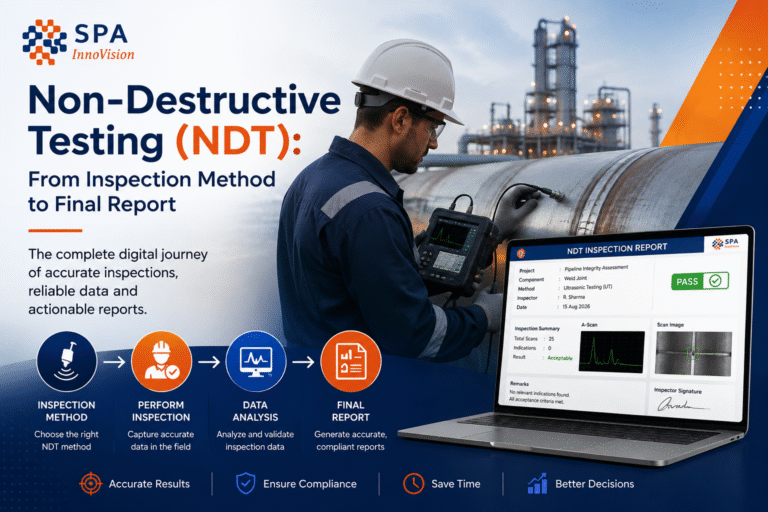
When teams shift to non destructive testing software, they gain better control over inspections without affecting the materials being tested. This approach not only protects assets but also improves the accuracy of every ndt inspection report generated during operations.
Key Takeaways
- NDT software helps inspect assets without causing damage and improves safety across industries
- NDT reporting software and field inspections app tools reduce manual errors and speed up workflows
- Industries like oil & gas rely on equipment inspection software for compliance and efficiency
- Automation and AI are shaping the future of inspection software systems
What Is NDT Software and Why It Matters
At its core, ndt inspection software allows companies to inspect materials, components, and systems without damaging them. This is critical in sectors like oil and gas, where even a small failure can lead to major risks. By using ndt reporting, teams can document every inspection in detail and maintain a clear audit trail.
The real advantage comes from consistency. With ndt reporting software, every inspector follows the same process, which ensures that reports remain standardized across locations. This consistency becomes essential when companies deal with compliance audits or safety regulations.
The Shift from Manual to Digital Inspection Systems
Manual inspection systems often create delays because data needs to be written, transferred, and reviewed multiple times. In contrast, a field inspections app allows inspectors to enter data directly at the site, which removes unnecessary steps and reduces errors.
Digital tools like equipment inspection software also help teams track asset inspection history in one place. Instead of searching through files, managers can instantly access previous inspections, maintenance logs, and performance data. This shift improves decision-making and helps prevent unexpected failures.
Core Components of Modern NDT Software
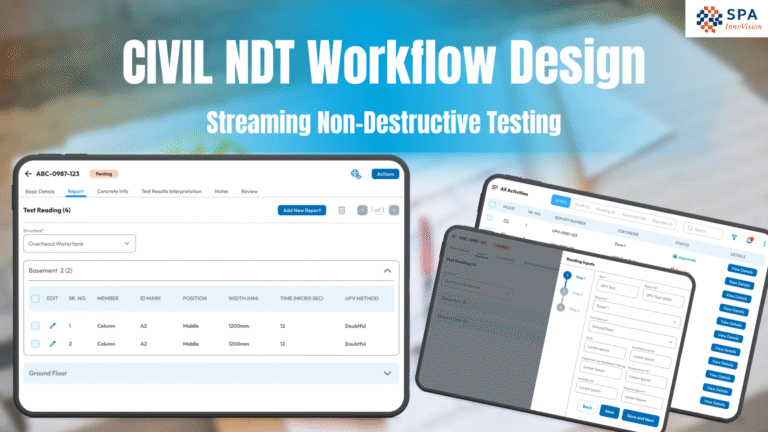
Modern ndt software solutions come with a mix of features that support both field teams and management. One of the most important elements is real-time reporting, which allows inspectors to generate ndt inspection reports instantly after completing a task.
Another key feature is automation. With inspection automation oil and gas workflows, companies reduce repetitive tasks and ensure that inspections happen on schedule. This not only saves time but also improves overall efficiency across operations.
Cloud integration is also a major advantage. Most ndt reporting software systems store data securely online, which makes it easy for teams to access information from anywhere. This becomes especially useful for organizations that operate across multiple locations.
Where NDT Software Is Used
The applications of non destructive testing software go far beyond one industry. In oil and gas, companies rely on oil and gas inspection software to monitor pipelines, rigs, and storage systems. These inspections help detect issues early and prevent costly failures.
In manufacturing, both destructive testing software and non destructive testing software play a role in quality control. While destructive methods test limits, non-destructive tools ensure that products meet standards without damage.
Construction and heavy industries also benefit from heavy equipment inspection software and crane inspection software. These tools ensure that machinery remains safe and compliant with regulations, especially when dealing with lifting operations.
Comparison of Inspection Approaches
| Inspection Method | Speed | Risk Level | Data Accuracy | Use Case |
| Manual Inspection | Slow | Medium | Low | Small operations |
| Field Inspections App | Fast | Low | High | On-site inspections |
| NDT Reporting Software | Very Fast | Low | Very High | Compliance-heavy industries |
| Inspection Automation Oil & Gas | Automated | Very Low | Extremely High | Large-scale operations |
Role of Field Inspection Apps in Daily Operations
A field inspections app has become one of the most practical tools for inspection teams. Instead of carrying paperwork, inspectors use mobile devices to record data, capture images, and generate reports in real time. It can enable working in locations with less or no internet availability with it’s offline working capabilities.
This direct input method improves the quality of ndt reporting because it reduces the chances of missing or incorrect data. It also helps managers track progress instantly, which improves coordination between field teams and office staff.
Integration with Smart Systems and LIMS
Many organizations now integrate smart lims or SmartLIMS with their ndt inspection software. This integration creates a unified system where laboratory data and inspection results work together.
When systems connect in this way, companies gain better visibility into their operations. They can track everything from test samples to inspection outcomes, which improves traceability and supports better compliance management.
Benefits That Drive Adoption
One of the biggest reasons companies adopt ndt software solutions is accuracy. Digital systems reduce human error and ensure that every inspection follows a consistent process. This leads to more reliable ndt inspection reports.
Speed is another major advantage. With ndt reporting software, teams can complete inspections and generate reports much faster than before. This helps organizations respond quickly to issues and maintain operational efficiency.
Cost savings also play a role. By using equipment inspection software, companies detect problems early and avoid expensive repairs or downtime. Over time, this creates a strong return on investment.
What the Future Looks Like
The future of inspection software is closely tied to automation and artificial intelligence. Companies are already using predictive analytics to identify potential failures before they happen.
As oil and gas market continues to grow, businesses will rely more on data-driven insights. This shift will not only improve safety but also transform how inspections are planned and executed.
As industries continue to move toward digital transformation, relying on outdated inspection methods is no longer sustainable for businesses that prioritize safety, compliance, and efficiency.
Modern solutions like NDT software and field inspections app platforms are not just tools but essential systems that help teams improve accuracy, speed, and decision-making across operations. Companies that adopt these technologies gain a clear advantage by reducing errors, streamlining workflows, and ensuring consistent reporting standards.
This is where SPA InnoVision plays a critical role, offering purpose-built software designed specifically for testing and inspection workflows, helping organizations digitize processes, improve traceability, and operate with greater confidence and control in complex industrial environments
FAQs – NDT Software
1. What is NDT software?
NDT software helps companies inspect materials without causing damage, which makes it ideal for safety-critical industries. It also supports reporting and data tracking, which improves overall inspection accuracy.
2. What is NDT reporting software used for?
NDT reporting software is used to create structured inspection reports that include findings, images, and compliance details. It ensures consistency and helps organizations maintain proper documentation for audits.
3. How does a field inspections app improve workflows?
A field inspections app allows inspectors to capture data directly on-site, which reduces delays and errors. This improves efficiency and ensures that reports are generated in real time.
4. What industries use NDT inspection software?
Industries like oil & gas, manufacturing, and construction use ndt inspection software for safety and compliance. These sectors depend on accurate inspection data to prevent failures.
5. What is the difference between destructive and non destructive testing software?
Destructive testing software analyzes how materials fail under stress, while non destructive testing software checks for defects without causing damage. Both methods serve different purposes in quality control.
6. How does equipment inspection software help businesses?
Equipment inspection software helps track assets, schedule inspections, and maintain records in one system. This improves maintenance planning and reduces unexpected breakdowns.
7. What is oil and gas inspection software?
Oil and gas inspection software is designed to manage inspections for pipelines, rigs, and storage systems. It helps ensure safety and regulatory compliance in high-risk environments.
8. What is smart LIMS integration?
Smart lims integration connects laboratory data with inspection systems, creating a unified workflow. This improves traceability and ensures accurate reporting across operations.
9. Can NDT software automate inspections?
Yes, many ndt software solutions include automation features that streamline inspection workflows. This reduces manual effort and improves consistency across teams.
10. What are the main benefits of NDT software?
The main benefits include improved accuracy, faster reporting, better compliance, and reduced costs. These advantages make NDT Reporting Software essential for modern inspection systems.

One Comment
Comments are closed.