
What is an Inspection Checklist? Purpose, Types, and Examples
Industrial teams inspect equipment, workplaces, and assets every day. These inspections help teams find damage, reduce risk, and improve safety. A clear inspection process also helps companies improve quality and compliance.
An inspection checklist helps inspectors follow the same process every time. The checklist gives clear inspection points and reporting steps. This improves inspection accuracy across projects and sites.
Many companies now use a digital inspection checklist instead of paper forms. Digital systems improve reporting speed, inspection tracking, and record management. They also help field teams and office teams work together more easily.
Key Takeaways
- An inspection checklist helps teams perform inspections in a standard way.
- A safety inspection checklist helps reduce workplace hazards and risks.
- An equipment inspection checklist helps teams detect damage early.
- A digital inspection checklist improves reporting and inspection tracking.
- Industrial companies use inspection checklists to improve safety and compliance.
- Digital inspection systems reduce paperwork and improve visibility.
- Inspection software helps manage inspections, reports, and projects.
What is an Inspection Checklist?
An inspection checklist is a list of items used during an inspection. Inspectors follow the checklist step by step. This helps ensure that no important inspection point gets missed.
Inspection checklists help teams stay consistent. Every inspector follows the same process and records findings in the same format. This improves reporting quality and inspection control.
Companies use inspection checklists for:
- Safety inspections
- Equipment inspections
- Industrial inspections
- Maintenance inspections
- QA/QC inspections
- Compliance inspections
- Asset inspections
- Non-destructive testing inspections
Most industrial companies now use digital inspection systems because paper forms slow work and create reporting problems.
Why are Inspection Checklists Important?
Inspection checklists help teams stay organized during inspections. Inspectors do not need to rely on memory. The checklist guides them through each inspection step.
Industrial sites often contain safety risks and complex equipment. A checklist helps teams inspect these areas in a controlled way. This reduces mistakes and improves inspection quality.
Inspection checklists also improve reporting. Managers can review inspection records more easily. Teams can also track defects, repairs, and compliance history faster.
Main Benefits of Inspection Checklists
| Benefit | Description |
| Better Consistency | Teams follow the same inspection process |
| Improved Safety | Inspectors can find hazards early |
| Better Reporting | Inspection records stay organized |
| Reduced Errors | Teams miss fewer inspection points |
| Faster Audits | Inspection records stay easy to review |
| Better Equipment Control | Teams can detect damage early |
| Improved Compliance | Companies maintain proper records |
Purpose of an Inspection Checklist
The main purpose of an inspection checklist is to improve inspection consistency. The checklist helps inspectors follow a fixed process during every inspection.
Different industries use checklists for different goals. Some companies focus on safety. Other companies focus on equipment reliability, compliance, or quality control.
Inspection checklists also improve communication between field teams and managers. Inspection reports become easier to review, track, and approve.
Safety Inspection Checklist
A safety inspection checklist helps teams identify workplace hazards and unsafe conditions. These inspections help companies improve workplace safety and reduce incidents.
Safety teams use safety inspection checklists during audits and routine inspections. The checklist helps verify whether the workplace follows safety rules and site procedures.
Common Safety Inspection Checklist Items
- PPE compliance
- Fire extinguishers
- Electrical safety
- Emergency exits
- Hazard signs
- Fall protection systems
- Machine guards
- Housekeeping conditions
- Chemical storage areas
Safety inspection checklists also help companies prepare for audits and compliance reviews.
Equipment Inspection Checklist
An equipment inspection checklist helps teams inspect industrial equipment and operational assets. These inspections help identify defects before equipment failure occurs.
Equipment inspections improve reliability and reduce downtime. They also support preventive maintenance and asset integrity programs.
Inspectors often check for:
- Cracks
- Corrosion
- Leaks
- Wear
- Structural damage
- Vibration issues
- Mechanical problems
Equipment inspection checklists help companies improve equipment life and operational safety.
Common Equipment Inspection Areas
| Equipment Type | Inspection Focus |
| Cranes | Hooks, ropes, structural condition |
| Pipelines | Corrosion and leakage |
| Pressure Vessels | Weld and surface condition |
| Rotating Equipment | Lubrication and vibration |
| Lifting Tools | Wear and deformation |
| Storage Tanks | Corrosion and leakage |
Many industrial companies now manage these inspections through digital systems.
What is a Digital Inspection Checklist?
A digital inspection checklist is an electronic inspection form used on mobile devices or computers. Digital systems replace manual paper inspection forms.
Inspectors can complete inspections directly from the field. They can also upload photos, comments, and inspection findings in real time.
Digital inspection systems improve visibility and reporting speed. Inspection records also stay stored inside centralized systems for easier tracking.
Benefits of a Digital Inspection Checklist
Many companies now use digital inspections because paper forms slow operations. Paper systems also create missing records and reporting delays.
Major Benefits of Digital Inspection Checklists
Faster Reporting
Digital systems create reports automatically after inspections. This reduces manual work and improves reporting speed.
Better Inspection Tracking
Digital systems store inspection records in one place. Teams can review inspection history more easily.
Improved Team Collaboration
Field inspectors and managers can access inspection records quickly. This improves communication between teams.
Reduced Paperwork
Digital inspections remove the need for paper forms. This simplifies record management and storage.
Better Compliance Management
Digital systems help companies maintain organized inspection records for audits and compliance reviews.
Types of Inspection Checklists
Different industries use different inspection checklist formats. Each checklist supports a specific inspection activity or operational need.
Common Types of Inspection Checklists
| Checklist Type | Main Purpose | Common Industries |
| Safety Inspection Checklist | Hazard identification | Construction |
| Equipment Inspection Checklist | Equipment condition checks | Oil and Gas |
| Quality Inspection Checklist | Product quality checks | QA/QC |
| Maintenance Inspection Checklist | Preventive maintenance | Industrial Plants |
| Industrial Inspection Checklist | Compliance verification | Heavy Industry |
| Digital Inspection Checklist | Mobile inspections | Multi-industry |
| Lifting Inspection Checklist | Lifting equipment inspections | Offshore and Marine |
These checklists help companies standardize inspections across projects and sites.
Inspection Checklist Examples
Inspection checklist formats vary by industry and equipment type. Some inspections focus on safety. Others focus on equipment condition or compliance.
Example 1: Safety Inspection Checklist
| Inspection Point | Status |
| PPE Available | Pass |
| Fire Extinguishers Accessible | Pass |
| Electrical Safety Condition | Fail |
| Emergency Exit Clear | Pass |
| Hazard Signs Installed | Pass |
Example 2: Equipment Inspection Checklist
| Inspection Item | Condition |
| Wire Rope | Acceptable |
| Hook Safety Latch | Damaged |
| Structural Cracks | None Found |
| Hydraulic Leakage | Not Present |
| Equipment Tag | Visible |
Example 3: Digital Inspection Checklist Workflow
| Step | Activity |
| 1 | Inspector receives work order |
| 2 | Checklist opens on mobile device |
| 3 | Inspector records findings |
| 4 | Photos uploaded to system |
| 5 | System creates inspection report |
| 6 | Manager reviews inspection |
Industrial Inspection Checklist
An industrial inspection checklist supports inspections in industrial environments. These inspections help companies improve safety, quality, and compliance.
Industries using industrial inspection checklists include:
- Oil and Gas
- Construction
- Manufacturing
- Energy
- Marine
- Offshore
- Infrastructure
- Heavy Engineering
Industrial inspections often involve multiple teams and projects. Inspection checklists help teams follow the same inspection process across all sites.
Inspection Checklists in Non-Destructive Testing
Inspection checklists play an important role in non-destructive testing operations. NDT inspections require clear procedures and accurate reporting.
NDT teams use inspection checklists to:
- Verify inspection steps
- Record findings
- Improve reporting consistency
- Maintain compliance records
- Support asset integrity programs
Inspection checklists support:
- Ultrasonic Testing
- Radiographic Testing
- Magnetic Particle Testing
- Dye Penetrant Testing
- Visual Inspection
Digital inspection systems improve coordination between field inspections and final reports.
Best Practices for Creating an Inspection Checklist
A good inspection checklist should stay simple and easy to use. Complex inspection forms may confuse inspectors and reduce inspection quality.
Inspection Checklist Best Practices
Use Clear Language
Inspection points should remain simple and direct. Clear wording improves inspection consistency.
Standardize the Checklist
All inspectors should use the same format. This improves reporting quality across projects.
Include Pass or Fail Options
Clear inspection outcomes improve reporting accuracy and review processes.
Support Mobile Use
Mobile inspection forms improve field inspections and reporting speed.
Include Inspection Photos
Photos improve inspection records and inspection traceability.
Follow Industry Standards
Inspection checklists should follow company procedures and inspection standards.
Common Problems with Paper Inspection Checklists
Paper inspection systems create many operational problems. Teams often face paperwork delays and storage issues.
Common Problems
| Problem | Impact |
| Lost Documents | Missing inspection records |
| Manual Errors | Incorrect reporting |
| Slow Reporting | Delayed decisions |
| Poor Visibility | Difficult inspection tracking |
| Excessive Paperwork | More admin work |
| Inconsistent Formats | Reduced inspection quality |
Digital inspection systems help companies solve these problems.
Future of Inspection Checklists
Industrial inspections continue moving toward digital systems. Companies now want faster inspections and better reporting visibility.
Modern inspection systems now include:
- Mobile inspection apps
- Cloud inspection platforms
- Automated reports
- Real-time dashboards
- Centralized inspection records
- AI-assisted inspection analysis
Digital inspection systems help companies improve inspection management and operational efficiency.
Conclusion
Inspection checklists help companies improve safety, inspection quality, and operational consistency. A safety inspection checklist helps teams reduce workplace hazards. An equipment inspection checklist helps teams identify equipment damage early.
Many companies now use digital inspection checklist systems because digital inspections improve reporting speed and inspection tracking. Digital systems also reduce paperwork and improve compliance management across projects and sites.
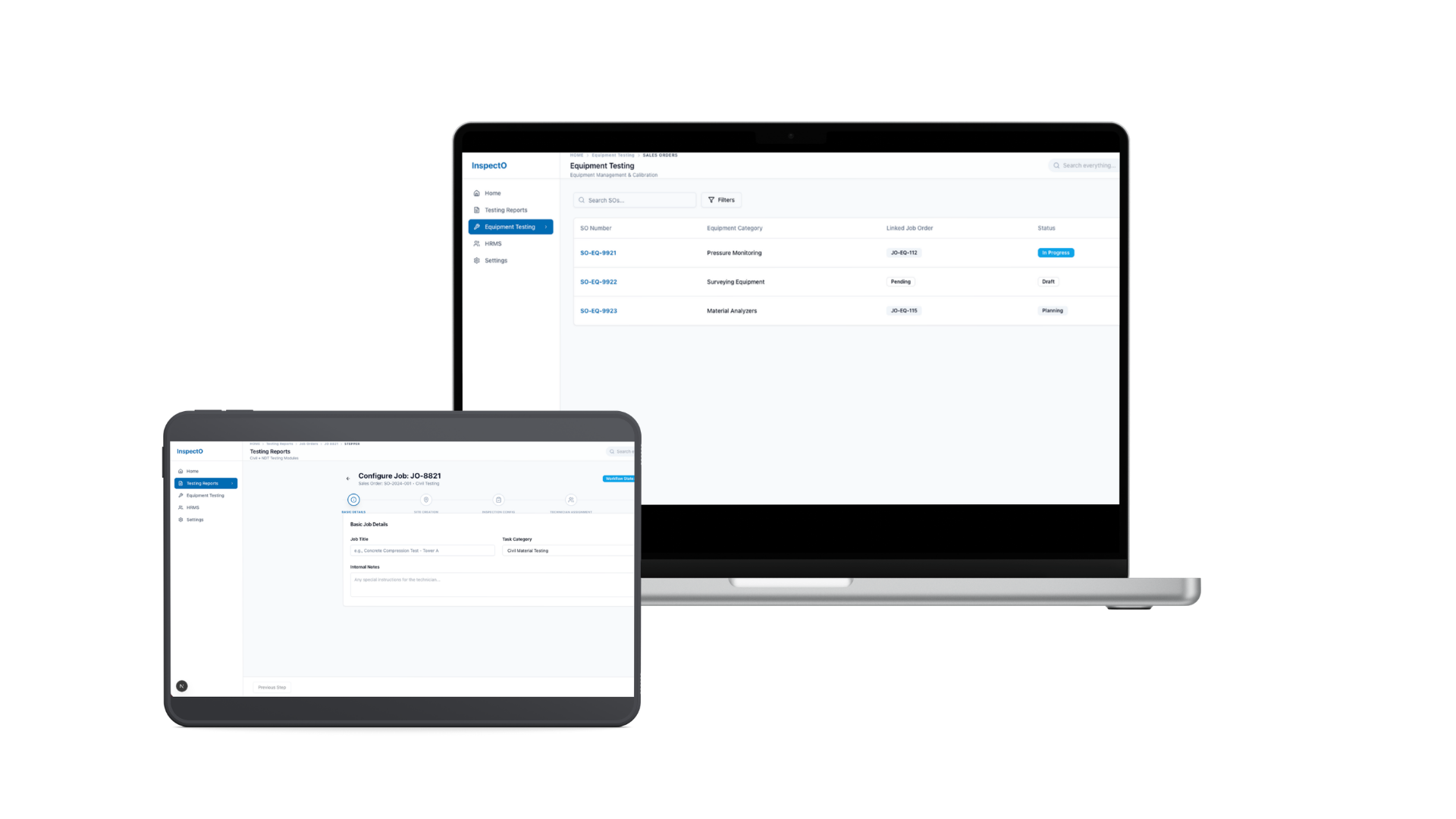
SPA Innovision supports industrial inspection operations through digital inspection and compliance solutions built for testing, inspection, and certification workflows. InspectO helps companies manage non destructive testing workflows, inspection reporting, field inspections, and inspection projects through one centralized system. ValiSpect helps teams digitize lifting inspections and improve compliance management for lifting equipment inspections.