What Is an Asset Integrity Management System and Why Does It Matter?
Summary:
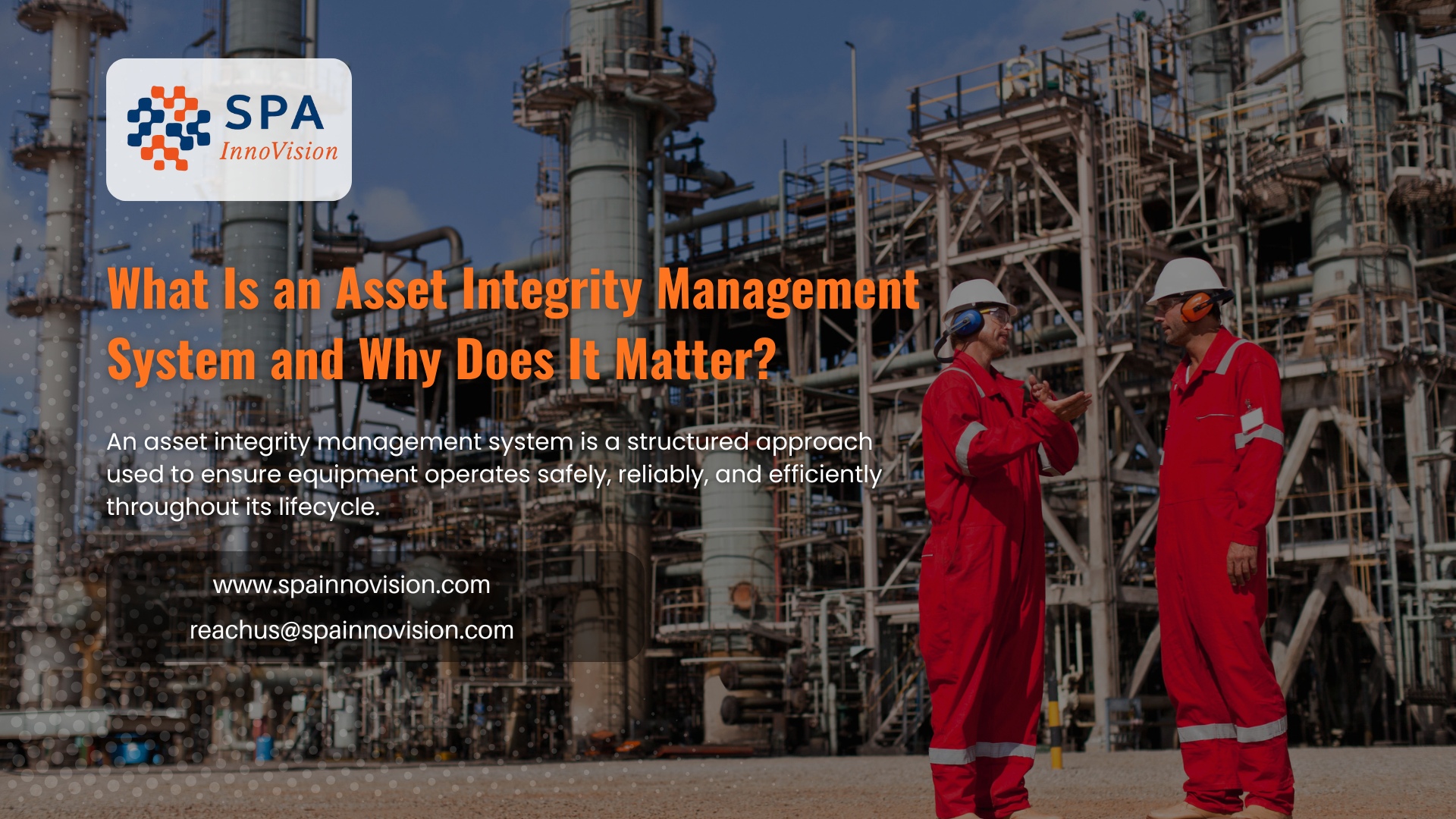
An asset integrity management system is a structured approach used to ensure equipment operates safely, reliably, and efficiently throughout its lifecycle. It combines inspection data, maintenance planning, risk assessment, and compliance tracking into one unified framework. Companies use digital tools such as risk-based inspection software and predictive maintenance software to monitor asset condition and prevent failure. This system matters because it reduces downtime, improves safety, lowers repair costs, and strengthens regulatory compliance in high-risk industries.
What Is an Asset Integrity Management System?
An asset integrity management system (AIMS) is a structured process that protects physical assets from failure. It ensures equipment performs as designed during its full operational life.
The system combines policies, procedures, technology, and trained personnel. It monitors asset condition, manages risks, and plans preventive actions. Companies use it in industries where safety and reliability are critical.
It focuses on preventing incidents rather than reacting to them.
Why Does Asset Integrity Management Matter?
Equipment failure can cause injuries, environmental damage, and financial loss. In industries such as oil and gas, construction, power generation, and manufacturing, even small failures can have serious consequences.
Asset integrity management matters because it reduces risk. It improves operational stability and protects both workers and assets. It also ensures compliance with safety regulations and audit requirements.
A strong system helps organizations move from reactive repairs to preventive and predictive strategies.
What Are the Core Components of an Asset Integrity Management System?
An effective asset integrity management system includes several key components.
1. Risk Assessment and Analysis
Risk assessment identifies potential failure points in equipment. Teams evaluate probability and impact to prioritize high-risk assets.
Risk-based inspection software often supports this process. It helps schedule inspections according to risk level rather than fixed timelines.
2. Inspection and Testing
Regular inspections detect early signs of corrosion, fatigue, or wear. Non-destructive testing methods help assess equipment without causing damage.
Digital inspection systems record findings and maintain traceable documentation.
3. Maintenance Planning
Maintenance management software schedules preventive tasks based on asset condition and usage. This reduces unexpected downtime.
Predictive maintenance software uses historical data to forecast potential failures.
4. Performance Monitoring
Integrity monitoring systems track asset performance in real time. Sensors and digital dashboards provide condition updates.
This allows teams to respond quickly to irregular patterns.
5. Compliance and Documentation
Industrial compliance management ensures all inspections, repairs, and tests meet regulatory standards. Digital records simplify audits and reporting.
How Does an Asset Integrity Management System Work in Practice?
An asset integrity management system begins with asset identification and risk classification. Teams document equipment details, operating limits, and safety requirements.
Next, inspections and tests collect condition data. This information enters a centralized digital platform. The system analyzes trends and identifies risks.
Maintenance teams receive automated alerts when corrective actions are required. Managers monitor dashboards to ensure compliance and performance targets remain on track.
This continuous loop of inspection, analysis, and action maintains asset reliability.
How Is Asset Integrity Management Different from Maintenance Management?
Many people confuse asset integrity management with basic maintenance management. While both involve equipment care, their focus differs.
Maintenance management focuses on scheduling repairs and preventive tasks. Asset integrity management takes a broader view. It includes risk analysis, compliance control, lifecycle planning, and performance monitoring.
In simple terms, maintenance is one part of asset integrity management.
What Industries Use Asset Integrity Management Systems?
Industries with high operational risk rely heavily on asset integrity management systems.
- Oil and gas
- Petrochemical plants
- Power generation facilities
- Marine operations
- Manufacturing plants
- Construction projects
These industries manage complex equipment that must operate safely under demanding conditions.
What Are the Benefits of a Digital Asset Integrity Management System?
Improved Safety
Digital systems provide early warnings for potential failure. This reduces accidents and protects workers.
Reduced Downtime
Predictive analytics help schedule maintenance before breakdowns occur.
Lower Costs
Preventive maintenance reduces emergency repairs and production losses.
Stronger Compliance
Centralized documentation simplifies audits and regulatory inspections.
Better Decision-Making
Real-time dashboards provide visibility into asset performance and risk exposure.
What Is Risk-Based Inspection and Why Is It Important?
Risk-based inspection (RBI) prioritizes inspections based on risk level. Instead of inspecting all assets at fixed intervals, teams focus on high-risk equipment.
Risk-based inspection software calculates the probability and consequence of failure. It adjusts inspection schedules accordingly.
This approach improves efficiency and reduces unnecessary inspections while maintaining safety standards.
How Does Predictive Maintenance Support Asset Integrity?
Predictive maintenance software analyzes historical and real-time data. It detects patterns that indicate potential failure.
For example, unusual vibration or temperature trends may signal mechanical issues. The system alerts maintenance teams before a breakdown occurs.
This proactive approach improves reliability and extends asset lifespan.
What Is Asset Lifecycle Management?
Asset lifecycle management tracks equipment from acquisition to disposal. It includes design, installation, operation, maintenance, and retirement.
An asset integrity management system supports every stage of this lifecycle. It ensures performance standards remain consistent and safe throughout.
Lifecycle visibility helps organizations plan capital investments and replacements effectively.
How Can Companies Implement an Asset Integrity Management System?
- Identify critical assets and classify risk levels.
- Develop inspection and testing procedures.
- Implement digital inspection and monitoring tools.
- Integrate maintenance management software.
- Train staff on compliance and reporting standards.
- Monitor performance metrics and improve continuously.
A phased approach allows smooth adoption and measurable improvements.
What Are the Common Challenges?
Some organizations struggle with data silos. Inspection data may remain separate from maintenance records. Lack of integration reduces visibility.
Another challenge is resistance to change. Teams may prefer traditional methods. Proper training and leadership support can improve adoption.
Investing in integrated digital platforms helps overcome these obstacles.
10 Frequently Asked Questions
1. What is an asset integrity management system?
It is a structured framework that ensures equipment operates safely and reliably throughout its lifecycle.
2. How does asset integrity management reduce risk?
It identifies potential failure points and applies preventive measures before incidents occur.
3. What is the role of risk-based inspection?
It prioritizes inspections based on asset risk level to improve efficiency and safety.
4. Is asset integrity management only for large companies?
No. Small and medium organizations also benefit from structured risk control.
5. How does predictive maintenance software help?
It forecasts equipment failure using data analysis and trend monitoring.
6. What is the difference between integrity management and maintenance?
Maintenance focuses on repairs, while integrity management includes risk, compliance, and lifecycle planning.
7. Does asset integrity management improve compliance?
Yes. It centralizes documentation and supports audit readiness.
8. Can digital systems replace manual inspections?
They improve and support inspections but still require trained personnel.
9. How often should risk assessments be updated?
Organizations should review risk levels regularly, especially after major changes or incidents.
10. What metrics measure system success?
Common metrics include downtime reduction, incident rates, maintenance cost savings, and compliance scores.
6 People Also Ask Questions
What is asset integrity in simple terms?
Asset integrity means keeping equipment safe and reliable during its working life.
Why is asset integrity important in oil and gas?
It prevents leaks, explosions, and environmental damage caused by equipment failure.
What tools support asset integrity management?
Digital inspection systems, predictive maintenance software, and risk based inspection tools support it.
How does asset integrity improve reliability?
It uses monitoring and preventive actions to reduce unexpected failures.
What is an integrity monitoring system?
It is a system that tracks asset condition using sensors and performance data.
Can asset integrity management reduce operational costs?
Yes. Preventing failure lowers repair costs and production losses.
Final Thoughts
What is an asset integrity management system and why does it matter? It matters because safety, reliability, and compliance depend on it.
By combining inspection, risk analysis, maintenance planning, and digital monitoring, organizations gain full control over equipment performance. Companies that adopt integrated asset integrity strategies in 2026 will operate safer, reduce downtime, and build long-term operational resilience.