
Lifting Equipment Inspection Software and NDT Software: A Practical Guide for Safer Operations
Summary:
Lifting equipment inspection software and NDT Management software help companies improve safety, reduce downtime, and meet compliance standards. These digital tools replace paper checklists with structured mobile inspections, automated reports, and centralized asset records. When combined with asset management software and workflow automation software, they create a connected system that improves accuracy and visibility. This guide explains how these tools work, why they matter, and how to choose the right system in 2026.
Why Companies Are Moving to Digital Inspection Systems
Many companies still use paper forms and spreadsheets to manage inspections. These systems often cause delays and errors. Reports may go missing, and managers may not see issues in time.
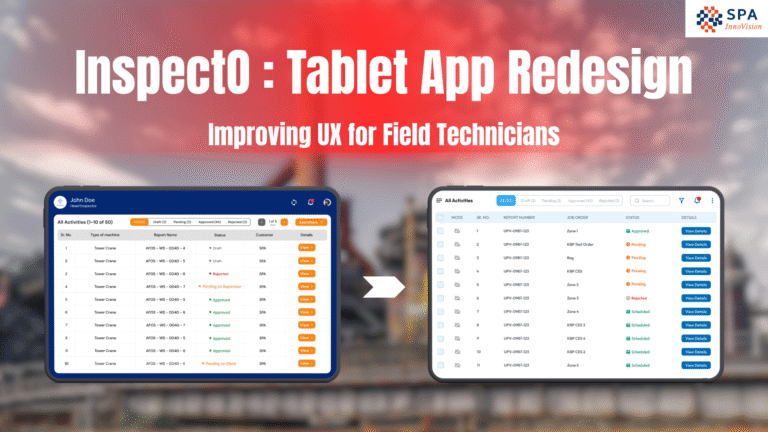
Digital inspection systems solve these problems by storing all data in one place. They allow teams to complete inspections on mobile devices/tablet. Supervisors can review results in real time. This improves safety, speed, and control.
What Is Lifting Equipment Inspection Software?
Lifting equipment inspection software is a digital tool used to inspect and manage cranes, hoists, chains, slings, and other lifting gear. It helps teams follow safety rules and maintain proper records.
Instead of filling out paper forms, inspectors use a mobile app. They complete checklists, upload photos, and submit reports instantly. The system stores all inspection data in a secure cloud platform.
This approach improves traceability and reduces the risk of missed inspections.
What Equipment Does It Cover?
Most systems support inspections for:
- Overhead and mobile cranes
- Chain slings and wire ropes
- Shackles and hooks
- Lifting beams and hoists
- Hydraulic lifting tools
Companies use these systems to meet local safety regulations, including lifting operation standards and inspection schedules.
What Is NDT Software?
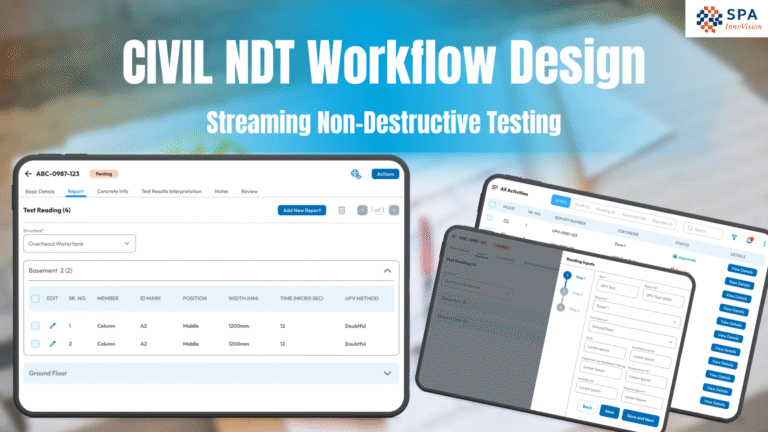
NDT software supports non-destructive testing processes. Non-destructive testing checks materials and equipment without causing damage. It helps detect cracks, corrosion, or hidden defects.
Industries such as oil and gas, construction, and manufacturing depend on NDT to ensure structural safety. The software records test results and links them to asset records. This creates a full inspection history for each asset.
Common Non-Destructive Testing Methods
| Method | Purpose | Example Use |
| Ultrasonic Testing | Detect internal flaws | Pipeline inspection |
| Radiographic Testing | Internal imaging | Weld analysis |
| Magnetic Particle Testing | Surface crack detection | Steel components |
| Visual Testing | Basic surface review | General equipment checks |
Digital NDT reporting improves accuracy and saves time.
How Inspection Software Improves Accuracy
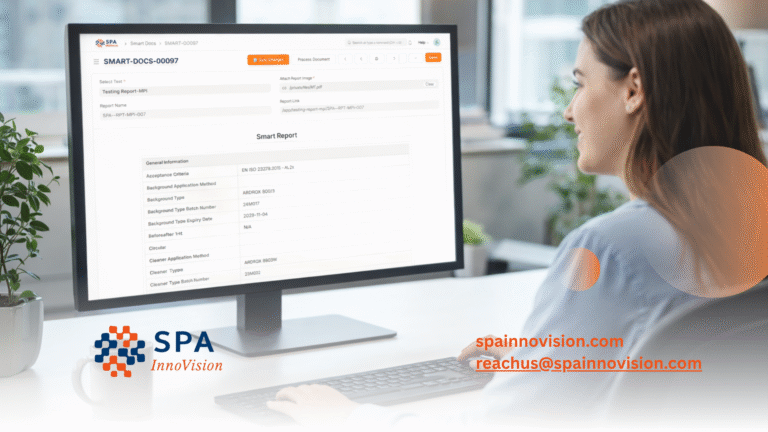
Inspection software reduces human error by using structured digital forms. Inspectors must complete required fields before submitting reports. This ensures consistent and complete documentation.
The system also captures timestamps and user details. Photo uploads provide visual proof of findings. These features strengthen compliance and improve accountability.
Managers can review inspection results immediately. They do not need to wait for paperwork to arrive.
What Is Asset Management Software?
Asset management software tracks equipment throughout its lifecycle. It stores asset details, maintenance schedules, inspection history, and repair records.
When connected with inspection software, it provides a full view of equipment health. Managers can track performance trends and plan maintenance based on real data.
This approach supports better asset integrity management and reduces unplanned breakdowns.
What Is Asset Integrity Management?
Asset integrity management ensures equipment operates safely during its entire service life. It combines inspections, maintenance planning, and risk control.
Digital systems make this process easier. They collect inspection data and show patterns over time. Teams can fix small issues before they become serious problems.
This shift from reactive repair to preventive maintenance reduces downtime and costs.
How Workflow Automation Software Helps
Workflow automation software connects tasks across departments. When an inspector reports a defect, the system assigns corrective action automatically.
It sends reminders for pending tasks and tracks progress until completion. This reduces delays and improves communication between teams.
Automation also helps generate reports and compliance summaries without manual effort.
Key Benefits of Digital Inspection Systems
1. Better Safety Control
Real-time alerts help prevent accidents. Teams can respond quickly to critical findings.
2. Faster Reporting
Automated reports reduce paperwork and save time. Managers receive updates instantly.
3. Improved Compliance
Time-stamped records and digital signatures support audit readiness.
4. Reduced Downtime
Preventive maintenance alerts reduce unexpected equipment failure.
5. Clear Visibility
Dashboards provide insight into asset condition and inspection performance.
How a Field Inspection App Works
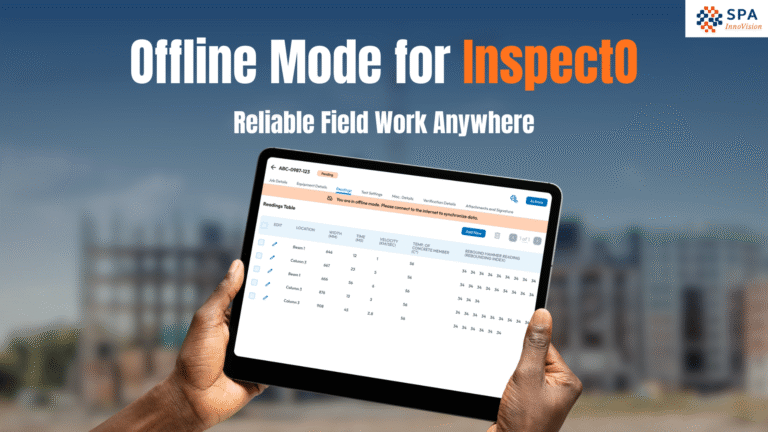
A field inspection app allows inspectors to complete tasks using smartphones or tablets. They can view assigned inspections and access asset history.
Inspectors record findings, upload images, and submit reports directly from the field. If internet access is limited, the system stores data offline and syncs later.
This mobility improves productivity and reduces administrative work.
Manual vs Digital Inspection Systems
| Feature | Manual System | Digital System |
| Record Storage | Paper files | Cloud database |
| Reporting Speed | Slow | Instant |
| Compliance Tracking | Manual follow-up | Automated alerts |
| Data Accuracy | Error-prone | Standardized |
| Audit Preparation | Time-consuming | Ready anytime |
Digital systems provide stronger control and faster decision-making.
Frequently Asked Questions
What is lifting equipment inspection software?
It is a digital system used to inspect and manage lifting equipment. It ensures safety compliance and keeps detailed inspection records.
What does NDT software do?
NDT software records test results from non-destructive testing. It links findings to asset records for traceability.
How does inspection software reduce risk?
It standardizes inspection procedures, stores digital evidence, and sends alerts for overdue tasks.
What is the difference between inspection software and asset management software?
Inspection software focuses on inspection tasks and reporting. Asset management software tracks the full lifecycle of equipment.
Can digital systems support compliance audits?
Yes. They store time-stamped records, photos, and reports that auditors can review easily.
How to Choose the Right System in 2026
When selecting inspection software, look for:
- Cloud-based access
- Mobile/Tablet compatibility
- Customizable inspection templates
- Integration with asset management tools
- Automated reporting features
- Multi-site support
Avoid systems that require manual data entry or lack integration options.
Steps for Successful Implementation
- Review current inspection workflows.
- Identify compliance gaps.
- Digitize inspection checklists.
- Train inspectors and supervisors.
- Integrate with asset management software.
- Monitor dashboards and adjust processes.
A phased rollout reduces disruption and improves adoption.
Common Mistakes to Avoid
Some companies choose software without mobile access. This limits field efficiency. Others fail to integrate systems, which creates data silos.
Lack of training also reduces effectiveness. Clear onboarding and simple templates improve long-term success.
Future Trends in Inspection and Asset Management
In 2026, inspection systems will use artificial intelligence to detect defects faster and also create reports faster. Predictive analytics will forecast maintenance needs based on historical data.
IoT sensors will send real-time equipment health updates. Cloud platforms will support multi-site operations with centralized dashboards.
Companies that invest in digital inspection systems today will gain stronger safety performance and operational efficiency tomorrow.
Final Thoughts
Lifting equipment inspection software and NDT software are essential for modern safety and compliance. They improve accuracy, reduce downtime, and simplify reporting.
When integrated with asset management software and workflow automation software, they create a complete digital ecosystem. This system supports long-term asset reliability and regulatory compliance.
Organizations that adopt digital inspection tools in 2026 will operate safer, faster, and with greater confidence.