Asset Integrity Management: A Complete Guide to Monitoring and Protecting Critical Industrial Equipment
Summary
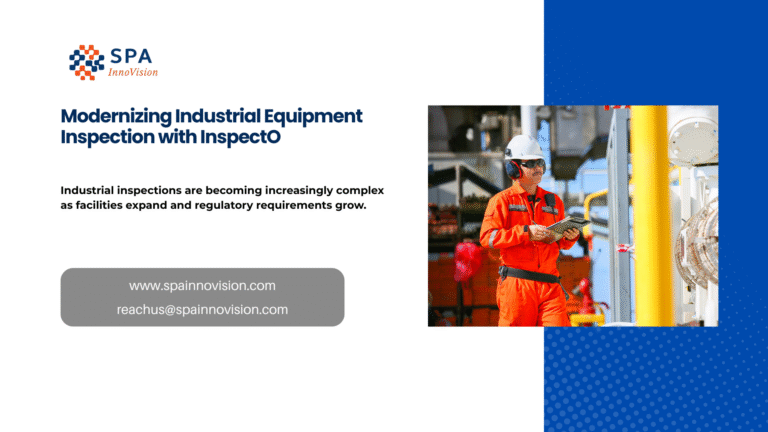
Industrial operations rely on large and complex equipment such as boilers, pipelines, and storage tanks. These assets operate under extreme pressure, temperature, and chemical exposure, making their safety and reliability essential for stable production.
Asset integrity management helps organizations monitor the condition of these critical assets through inspections, engineering analysis, and maintenance planning. A structured integrity program ensures that equipment continues to operate safely throughout its lifecycle.
Key Takeaways
• Asset integrity management focuses on monitoring the condition and safety of critical industrial equipment.
• It uses inspection, risk assessment, and engineering analysis to detect problems early.
• Industries such as oil & gas, power generation, and manufacturing rely heavily on integrity programs.
• Digital platforms and asset management software improve data visibility and inspection tracking.
Asset Integrity Management Explained
| Topic | Explanation |
| What is Asset Integrity Management | A structured engineering process used to ensure critical industrial equipment operates safely and reliably throughout its lifecycle. |
| Assets Covered | Boilers, storage tanks, pressure vessels, pipelines, and other high-risk industrial infrastructure. |
| Key Activities | Inspection planning, corrosion monitoring, risk assessment, and maintenance actions. |
| Business Impact | Improves safety, reduces failures, supports regulatory compliance, and extends asset life. |
What Is Asset Integrity Management?
Asset integrity management is a systematic approach used to ensure that industrial equipment remains safe and reliable during operation. The goal of integrity programs is to detect damage, degradation, or structural weaknesses before they lead to equipment failure.
Critical industrial equipment is constantly exposed to mechanical stress, heat, pressure, and corrosive environments. Over time these factors can cause deterioration in materials and structural components. If this degradation is not monitored properly, the asset may fail unexpectedly.
Integrity management introduces regular inspections, monitoring programs, and engineering assessments to evaluate the condition of these assets. By identifying potential risks early, organizations can perform corrective maintenance before failures occur.
This proactive approach significantly improves operational safety and prevents costly shutdowns.
Why Asset Integrity Management Is Critical for Industrial Operations
Modern industrial facilities operate with complex infrastructure that must function continuously. Equipment failures not only interrupt production but may also create serious safety hazards.
Asset integrity management helps companies maintain safe and reliable operations through structured monitoring and maintenance practices.
Preventing Equipment Failure
When critical assets degrade without detection, the risk of sudden failure increases significantly. Integrity programs use inspection and monitoring methods to identify damage early and prevent unexpected breakdowns.
By detecting corrosion, cracks, or structural weakness in advance, maintenance teams can take corrective action before a failure disrupts operations.
Improving Workplace Safety
Industrial assets such as boilers and pressure vessels operate under extreme conditions. A structural failure in these systems could result in dangerous accidents.
Asset integrity programs ensure that equipment remains within safe operating limits and that structural health is continuously monitored.
Supporting Regulatory Compliance
Industries that operate heavy equipment are subject to strict safety regulations. Many regulatory bodies require companies to maintain inspection records and demonstrate proper maintenance practices.
Asset integrity management ensures that inspection reports, risk assessments, and maintenance records are properly documented.
Extending Asset Life
Replacing large industrial equipment is expensive and time-consuming. Integrity programs allow organizations to maintain assets effectively so they can operate safely for longer periods.
By understanding how equipment degrades over time, companies can plan repairs and upgrades more efficiently.
Critical Equipment Covered in Asset Integrity Programs
Integrity management focuses on high-risk assets that are essential for industrial production.
Boilers
Boilers generate steam for energy production and industrial processes. These systems operate at extremely high temperatures and pressure levels.
Material fatigue, corrosion, and scaling can weaken boiler components over time. Regular inspections help engineers detect damage before it leads to catastrophic failure.
Storage Tanks
Storage tanks hold large volumes of liquids such as fuel, chemicals, and industrial fluids. Corrosion, leaks, and structural deformation can threaten the integrity of these tanks.
Routine inspection programs ensure that tanks remain structurally sound and environmentally safe.
Pipelines
Pipelines transport liquids and gases across facilities or large distances. Corrosion and pressure fluctuations can weaken pipeline walls.
Integrity monitoring systems track these conditions and detect weaknesses before leaks or ruptures occur.
Pressure Vessels
Pressure vessels contain gases or liquids under high pressure. Even small structural defects can lead to serious safety risks.
Integrity inspections ensure that these vessels continue operating within design specifications.
Core Processes in Asset Integrity Management
An effective integrity program combines several technical processes that work together to monitor equipment health.
Risk Assessment
Risk assessment identifies which assets require the most attention. Engineers evaluate the probability of failure and the potential consequences of that failure.
Assets that pose higher operational or safety risks receive more frequent inspections and closer monitoring.
Inspection Planning
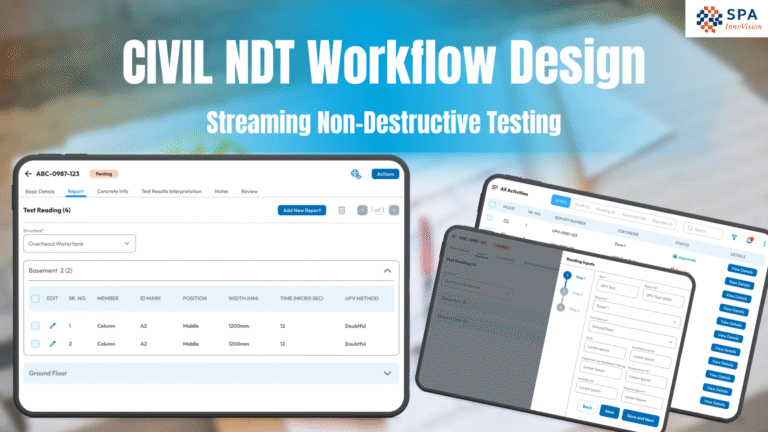
Inspection planning defines how equipment will be monitored and how often inspections will occur. Inspection methods may include ultrasonic testing, radiography, visual inspection, and thickness measurements.
These methods allow engineers to detect internal or external damage that may not be visible during routine checks.
Corrosion Monitoring
Corrosion is one of the leading causes of industrial equipment failure. Environmental exposure, chemical reactions, and moisture can gradually degrade metal structures.
Corrosion monitoring programs track these changes so engineers can predict degradation rates and schedule maintenance accordingly.
Maintenance and Repair
When inspections detect damage or deterioration, maintenance teams must perform corrective actions. Repairs may involve welding, component replacement, or reinforcement of structural elements.
Timely maintenance restores the asset’s integrity and ensures continued safe operation.
How Asset Management Software Supports Asset Integrity Programs
Integrity programs generate large amounts of inspection and maintenance data. Managing this information manually can be difficult and inefficient.
Asset management software provides a centralized platform to store and manage all asset-related data.
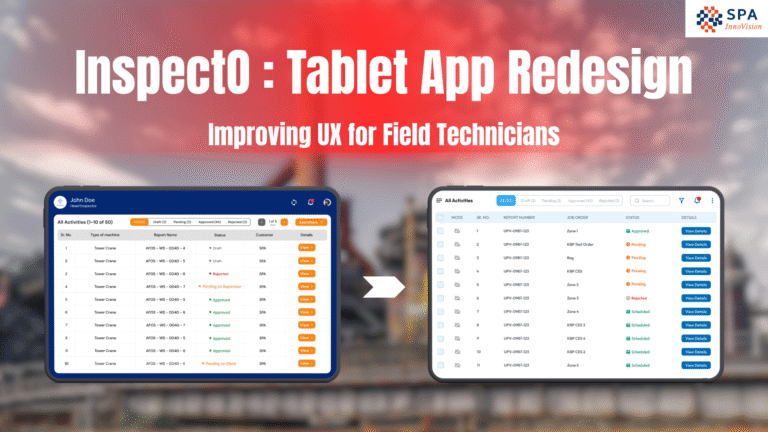
Inspection schedules can be automated, ensuring that engineers never miss critical inspection deadlines. Historical inspection records can also be analyzed to identify trends and predict future equipment degradation.
Maintenance teams can access inspection findings and generate work orders directly from the system. This creates a clear workflow from inspection to repair.
By digitizing asset data, organizations gain better visibility into equipment health and operational risks.
Benefits of Digital Asset Integrity Management
Digital systems make integrity management programs more efficient and reliable.
Organizations can analyze inspection data more effectively and identify patterns that indicate potential equipment failure. Maintenance planning becomes more proactive, reducing the likelihood of unexpected shutdowns.
Digital platforms also simplify compliance reporting because inspection records are stored in a structured and searchable format.
Overall, technology enables organizations to maintain safer and more reliable industrial infrastructure.
Conclusion
Asset integrity management plays a vital role in protecting critical industrial infrastructure. Boilers, pipelines, storage tanks, and pressure vessels must operate safely under demanding conditions, making continuous monitoring essential.
By implementing structured inspection programs and risk assessment processes, organizations can detect potential failures early and maintain safe operations.
SPA InnoVision provides advanced digital solutions that support asset integrity programs through powerful asset management software platforms. These systems help companies track inspections, monitor equipment health, and manage maintenance workflows efficiently.
With the right technology and expertise, organizations can strengthen operational safety, extend asset life, and maintain reliable industrial performance.